TREATMENT GUIDE
Medicines that block allergic reactions
Two approaches: retrain or block
One approved: omalizumab (Xolair)
Protection stops when the medicine stops
Reviewed by Hunter Smith, MD · Last reviewed October 2026 · Checked every three months

IN SHORT
There are two different approaches to food allergy treatment: retrain the immune system, or block allergic reactions or symptoms.
Some treatments retrain the immune system. Oral immunotherapy, sublingual immunotherapy and the peanut patch all work by exposing the immune system to the food, so that it gradually stops creating the immune cells that trigger an allergic reaction. The aim is a change that lasts.
Others block the reaction while the medicine is in your body. They do not change what you are allergic to. They interrupt the machinery that produces a reaction, and when the medicine stops, the protection stops with it.
Only one blocking medicine is approved for food allergy: omalizumab, sold as Xolair. Several more are in trials, and this is where most of the pharmaceutical investment in food allergy is currently going.
The difference that actually matters
Topic
TREATMENTS THAT RETRAIN
MEDICINES THAT BLOCK
What they are
Oral immunotherapy, sublingual immunotherapy, the peanut patch.
Omalizumab (Xolair), and several drugs in trials.
How they work
Repeated exposure to the food itself, in controlled amounts.
They interrupt the reaction pathway. No exposure to the food is involved.
Do you take the food
Yes for oral immunotherapy and sublingual immunotherapy. No for the patch.
No.
Works across several foods
One food at a time, mostly. Multi-food approaches exist but are less established.
Yes. Because they act on the reaction rather than on a particular food, they work across all of them at once.
What happens if you stop
Protection may fade, but some people keep it — particularly young children.
Protection stops. There is no expectation of lasting change.
Time to protection
Months.
Weeks to months.
Ongoing cost
Ends, or falls, once maintenance is reached.
Continues for as long as you take it.
What they are
Treatments that retrain
Oral immunotherapy, sublingual immunotherapy, the peanut patch.
Medicines that block
Omalizumab (Xolair), and several drugs in trials.
How they work
Treatments that retrain
Repeated exposure to the food itself, in controlled amounts.
Medicines that block
They interrupt the reaction pathway. No exposure to the food is involved.
Do you take the food
Treatments that retrain
Yes for oral immunotherapy and sublingual immunotherapy. No for the patch.
Medicines that block
No.
Works across several foods
Treatments that retrain
One food at a time, mostly. Multi-food approaches exist but are less established.
Medicines that block
Yes. Because they act on the reaction rather than on a particular food, they work across all of them at once.
What happens if you stop
Treatments that retrain
Protection may fade, but some people keep it — particularly young children.
Medicines that block
Protection stops. There is no expectation of lasting change.
Time to protection
Treatments that retrain
Months.
Medicines that block
Weeks to months.
Ongoing cost
Treatments that retrain
Ends, or falls, once maintenance is reached.
Medicines that block
Continues for as long as you take it.
Using medicines alongside immunotherapy
They are often used together.
A blocking medicine can make immunotherapy easier and safer to start, by dampening reactions during the phase when doses are rising. This has already been studied with omalizumab and oral immunotherapy.
They may do more than block.
Some blocking medicines may turn out to do more than block. Researchers are studying whether taking one during immunotherapy leaves behind a lasting change once both are stopped.
What is approved now
Omalizumab (Xolair)
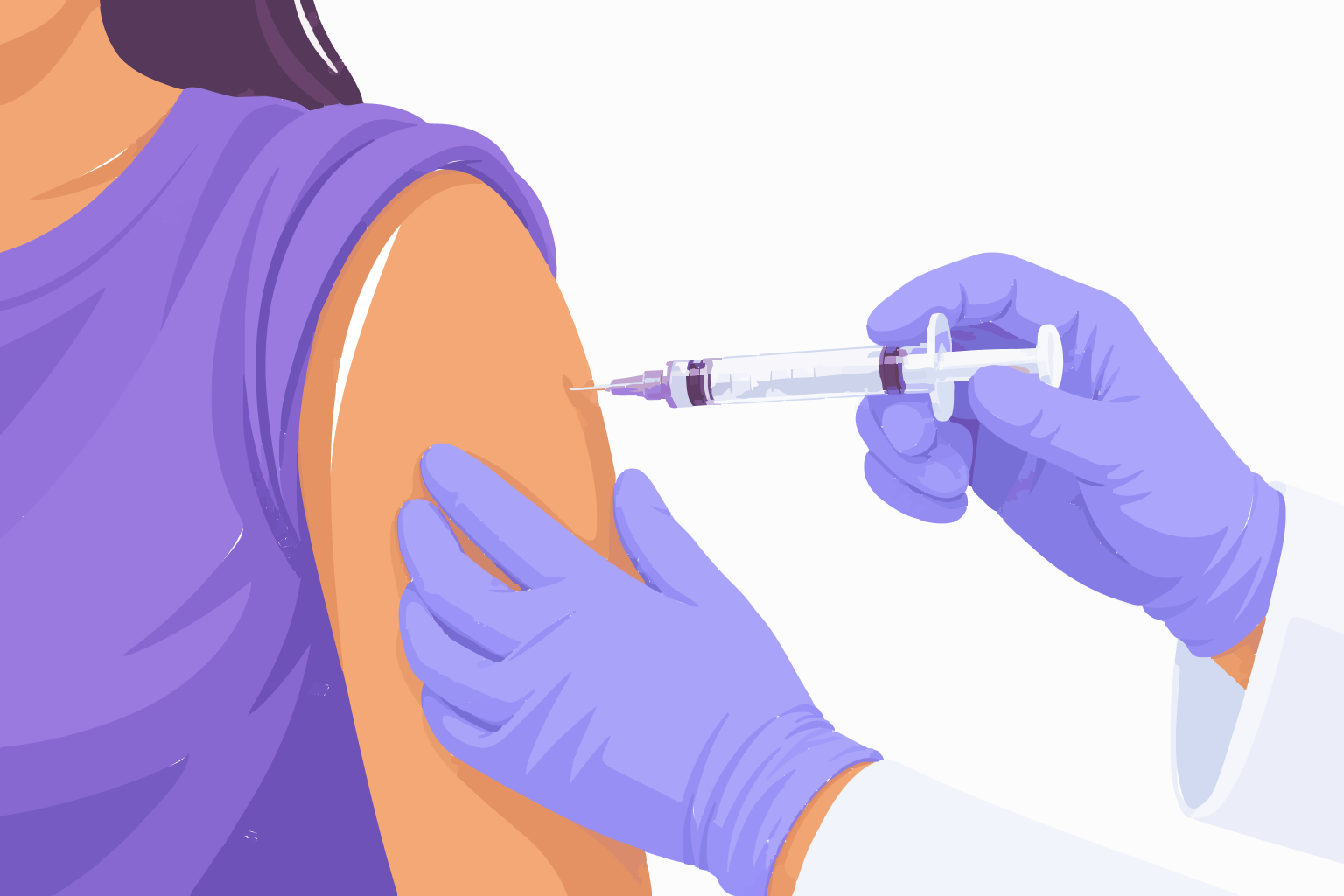
Omalizumab is an injection given every two to four weeks. The FDA approved it in February 2024 to reduce allergic reactions to foods in people aged one and older. It binds to IgE, the antibody that drives allergic reactions, and stops it from triggering the cells that cause them.
It is the only medicine of this kind approved for food allergy. For trial results, who it suits, and what it costs visit the omalizumab page.
What is being developed
This is the busiest area in food allergy investment and research and development.
Remibrutinib (Novartis)
Phase 2 done; phase 3 planned from late 2026
WHAT IT IS
A daily pill, not an injection. It blocks an enzyme called BTK inside the cells that release the chemicals causing a reaction.
WHAT IT MIGHT ADD
A pill rather than an injection, and protection that appears within about a week.
WHAT TO WATCH FOR
Phase 3 starting. Note it is already approved for a different condition, chronic hives, which is not the same as approval for food allergy.
Ozureprubart (GSK)
Phase 2b
WHAT IT IS
An injection that targets IgE, like Xolair, but engineered to last longer.
WHAT IT MIGHT ADD
Dosing every 8 to 12 weeks rather than every 2 to 4, and possibly reaching people whose IgE level or body weight makes them ineligible for Xolair.
WHAT TO WATCH FOR
GSK bought the company behind it for $2.2 billion in January 2026. Phase 2b results.
Excellergy (Novartis)
Early
WHAT IT IS
An earlier-stage approach aimed at the cells that drive anaphylaxis rather than at IgE alone.
WHAT IT MIGHT ADD
A different point of attack on the same pathway.
WHAT TO WATCH FOR
Novartis agreed to acquire the company in 2026. Nothing has been tested in a large trial.
Why so much money is going into medicines for food allergy
One medicine can cover multiple food allergies.
Immunotherapy is built around a specific allergen. A blocking medicine works against whatever you are allergic to, potentially including environmental allergies, which can make it a good choice for many people.
It fits how medicine is already delivered.
A prescription and an injection or a pill need no clinic setup, no supervised dosing visits and fall neatly into insurance coverage.
Which one suits which situation
Several food allergies at once.
This is where blocking medicines are strongest, and where immunotherapy is hardest.
You want protection quickly.
Weeks rather than months.
You want the possibility of stopping treatment one day.
That points toward immunotherapy, and most strongly toward treating a young child.
Reactions have made immunotherapy hard to start.
A blocking medicine alongside it is an established approach worth asking about.
Cost matters.
An ongoing medicine and a course of treatment that ends are very different financial commitments.
Questions to ask your allergist
How will I know how much protection I have when on a medicine?
Is it okay to start, stop, and restart blocking medicines?
Would combining a medicine with immunotherapy make sense for me?
KEEP READING